250 State St, Dickson, TN 37055
Follow us:

Am I Enabling An Addicted Relative?

Grasping Enabling Behaviors

An essential part of aiding a loved one with a Substance Use Disorder (SUD) is identifying enabling actions. Enabling happens when caring family members or friends inadvertently assist or encourage harmful behaviors, permitting addiction to persist instead of fostering recovery. Although the purpose is usually to assist, enabling can extend substance use, heighten dependency, and even simplify the person’s access to drugs or alcohol.

Typical Instances of Enabling

Enabling can manifest in various ways, such as:

  • Offering housing without accountability: Letting a loved one struggling with addiction stay rent-free without contributing to chores or personal development.

  • Fulfilling financial demands: Covering bills, providing money, or supporting living expenses while the person uses funds for substances or unnecessary items.

  • Providing substances: Giving money, alcohol, or drugs to stop them from acquiring these by illegal methods.

  • Rescuing from legal issues: Paying fines, handling court costs, or protecting the individual from facing the results of their actions.

  • Justifying or downplaying the situation: Minimizing the addiction’s seriousness, shifting blame onto others, or lying to outsiders about the circumstances.

  • Overlooking or rejecting the problem: Acting as if the substance abuse isn’t an issue, refusing to see the behaviors, or accepting destructive habits as normal.

  • Enduring mistreatment: Accepting verbal, emotional, or physical abuse because the person “doesn’t mean it,” thereby reinforcing harmful patterns.

Varieties of Enabling Actions in Substance Use

Therapists describe enabling actions as behaviors that assist a loved one with a SUD in accomplishing tasks or managing responsibilities they could handle independently if sober. Although these actions often arise from positive intentions, they inadvertently support the addiction, allowing destructive cycles to persist. Over time, the individual with the SUD might learn to exploit these behaviors for their own benefit, sustaining the cycle.

Enabling actions can often be categorized into four primary types, illustrating how well-meaning family and friends can unknowingly aid substance use:

  1. Fear-Driven Compliance – The person with the SUD might issue threats or create crises to get their way. Family and friends, anxious about causing harm or being blamed, comply and continue enabling actions to avoid conflict.

  2. Guilt-Driven Enabling – Loved ones are manipulated through guilt, blame, or emotional pressure. The individual with the SUD might imply it’s someone else’s fault they’re using, triggering feelings of responsibility that lead family or friends to provide support.

  3. False Recovery Hope – The person struggling with addiction may pretend to be on the brink of change, offering hope that recovery is near. Families, eager to see improvement, might overlook warning signs and continue to enable actions, believing the situation is temporary.

  4. Victim-Centric Manipulation – Some individuals present themselves as helpless victims of circumstance, past trauma, or mistreatment. This tactic can pressure family and friends into enabling actions out of compassion, sympathy, or a desire to “protect” them.
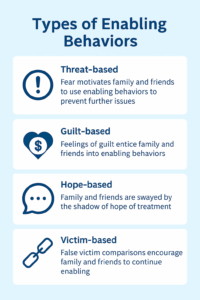
            Infographic titled ‘Types of Enabling Behaviors’ showing four categories: using threats, blame and guilt, false hope, and victim mentality. Each section includes an icon—lightning bolt for threats, shooting star for blame and guilt, broken heart for false hope, and heart-shaped figure for victim mentality—illustrating how loved ones unintentionally enable addiction.

Identifying and Disrupting Enabling Patterns with an Addicted Loved One

Helping a family member overcome addiction can be difficult, especially when intentions are grounded in care and safeguarding. Enabling often manifests as justifying actions, giving financial aid, covering up behaviors, or avoiding difficult discussions about their substance use. Although these actions may seem beneficial in the short term, they often extend addiction and delay recovery. Recognizing the signs of enabling and the dynamics within families is crucial for creating an atmosphere that promotes responsibility and healing.

The initial step in tackling enabling is acknowledging the effects these behaviors have on both the person struggling with addiction and their support network. Establishing boundaries, employing firm yet compassionate communication, and supporting recovery without facilitating substance use are essential strategies. Families can transition from unconsciously maintaining addiction to actively encouraging a path toward sobriety.

Many caregivers and relatives unintentionally enable because they think they are helping and may not be aware of the negative repercussions of their actions. Long-standing family patterns, learned behaviors, or unresolved relational issues can make it challenging to identify enabling. Recognizing these patterns allows families to reassess their roles, adopt healthier relational habits, and develop a constructive approach to support.

Overcoming enabling behaviors begins with education and awareness. Families gain from understanding what positive support looks like, encouraging accountability, setting clear expectations, and reinforcing healthy behaviors. Avoiding blame or judgment within the family is vital, as conflict can increase stress and make the addicted individual more resistant to change.

Ultimately, the aim is to be a supportive, healthy presence without inadvertently sustaining harmful behaviors. By nurturing positive communication, setting boundaries, and modeling constructive relationships, families can help their loved ones build the skills and confidence needed to pursue recovery while strengthening family bonds.

Cultivating Well-Being and Encouraging Positive Actions

When relatives and friends become aware of how their actions might be unknowingly supporting a loved one’s substance abuse, it’s crucial to disrupt this pattern. Treatment facilities frequently offer informative sessions aimed at teaching support networks how to offer encouraging, effective assistance without promoting addictive behaviors.

Education may also cover topics like codependency and dysfunctional family interactions. This aids loved ones in comprehending the patterns that might have contributed to the addiction. Realizing the significance of establishing clear boundaries communicates a consistent, healthy message to the person dealing with a substance use issue, highlighting responsibility while maintaining empathy and care.

Families acquire understanding of the subtle ways addiction influences relationships, from justifications and manipulation to crisis-driven actions. Recognizing that supporting prolonged addiction underscores the necessity for a change in approach. Working with a professional therapist or interventionist can help the family set firm boundaries and provide structured, healthy support.

Embracing Firm Compassion

Tough love is a crucial method for assisting a loved one with a SUD while safeguarding the well-being and balance of the support network. Interventions, led by a counselor or skilled mediator, can aid families in understanding the impact of addiction on everyone involved. These are effective ways to establish strong, healthy limits.

Once the support group is dedicated to stopping enabling behaviors and implements a structured plan, genuine change can begin. This method encourages the person facing addiction to accept responsibility for their actions, pursue treatment, and participate in recovery. Simultaneously, it ensures that family and friends are no longer dominated by the turmoil of substance use.

Illustrations of Positive Boundaries

  • Avoid using drugs or alcohol around relatives, friends, or in communal areas.

  • Mental, emotional, verbal, and physical abuse is unacceptable.

  • The support team will not cover bail, legal expenses, or other emergency-related financial assistance.

  • Financial aid will no longer be available for nonessential costs.

  • Family and friends will not provide excuses, deceive, or hide the actions of the addicted individual.

  • Possessing drug-related items is forbidden in shared residences or near the support network.

  • Assistance is given through recovery-oriented guidance, including helping the loved one find treatment programs and professional resources.

Concluding Enabling Actions in a Nurturing Environment

When a support network understands how enabling actions inadvertently bolster a loved one’s addiction, then you can learn how to act constructively and supportively. Professional advice can help families establish healthy limits while preserving care and connection. Our facility offers seasoned therapists and interventionists to assist families throughout the entire process. This helps to lay the groundwork for enduring recovery.

Situated near Nashville, Tennessee, Freeman Recovery Center provides tailored drug and alcohol rehabilitation programs aimed at assisting both teens and their parents at every recovery stage. Our strategy merges evidence-based treatments with holistic approaches, addressing substance use alongside any concurrent mental health issues. Each treatment plan is customized to the patient’s distinct needs. This ensures comprehensive care that blends compassion, structure, and accountability.

At Freeman Recovery Center, we recognize the stress addiction places on families. Our programs cultivate a supportive and empowering atmosphere. This environment helps loved ones establish firm boundaries, communicate effectively, and engage in the recovery process without enabling harmful behaviors. By educating families on addiction dynamics and providing professional support, we build a system that promotes responsibility, healing, and long-term sobriety.

If you’re contemplating an intervention, contact Freeman Recovery Center; we can help guide your loved one toward accepting treatment. Our team will show you how to fortify your support network, uphold boundaries, and create a healthy setting that encourages recovery while safeguarding your own well-being.

Related Addiction Treatment Resources

Signs and Symptoms of Vicodin Abuse

Globally, Vicodin is the most widely abused drug. The abuse of Vicodin has multiplied four times over the past ten years, with an estimated two million people abusing the drug in the United States. Vicodin, a combo drug of hydrocodone and acetaminophen, is widely prescribed for short-term pain management. If the signs and symptoms of Vicodin abuse become apparent, perhaps long-term usage has triggered misuse or abuse.

Accidental addiction is a dangerous possibility with the assumption that pain pills prescribed by a doctor are safe. Pain is a serious consideration for the prescription. Still, once a patient takes more than the dosage, it can build a tolerance very quickly, and then more medication is needed to alleviate the pain. Tolerance quickly builds to dependence, which ends in an addiction to Vicodin. The signs and symptoms of Vicodin abuse are apparent as more of the drug is consumed.

What is Vicodin Abuse?

Vicodin use is widespread for alleviating pain from injuries and surgeries as short-term pain relief. Prescribed for moderate to severe pain, the opioid painkiller can be easily misused without intention. Accidental misuse begins to show with the signs and symptoms of Vicodin abuse when misuse continues. Vicodin blocks the pain receptors in the brain to produce short-term pain relief but also causes feelings of euphoria and relaxation.

The signs and symptoms of Vicodin abuse can be apparent through the dosage being maintained by the patient.  Those with a substance use disorder involving Vicodin have been known to take between twenty and thirty pills per day. Understanding how tolerance operates can explain how more Vicodin is needed to produce the same pain relief as time passes. This complicated process can negatively affect the heart and respiratory system. Fortunately, we can help.

What Causes Vicodin Abuse?

All forms of addiction research determine many factors combine to cause the misuse and abuse of substances. But unfortunately, addiction education is commonly ignored until after it has become a problem. This lack of education may make users unaware of the misuse and abuse risks. The following factors are common causes of substance abuse.

Genetics is one of the leading risk factors for developing an addiction. In addition, family members may have seen the signs and symptoms of Vicodin abuse and found them recognizable in other family members with a different drug or with alcohol. Genetic components unknowingly passed down point to the development of addiction within the family dynamic. Family members often accepted the symptoms of misuse or abuse, and the situation resolved itself.

Brain chemistry is another defined factor in misuse and abuse research. As researchers continue to gather data concerning the causes of substance abuse, more indications point to an imbalance of certain neurotransmitters. When a lack of certain neurotransmitters is present, individuals are surprised by the intensity of pleasure when prescribed Vicodin. Therefore the signs and symptoms of Vicodin abuse can begin by observing higher-than-normal happiness and pleasure levels.

Environmental causes occur when people are surrounded by misuse or abuse of drugs or alcohol at a young age. For example, exposure to the signs and symptoms of Vicodin abuse daily can desensitize the mind to abuse. In addition, the normalization of misuse or abuse of substances can lead to the belief that drug use is a standard coping mechanism. As life stress and anxiety grow, the tendency to turn to drugs or alcohol for relief can be a normal reaction.

Signs and Symptoms of Developing Vicodin Abuse

The signs and symptoms of Vicodin abuse can be physical, psychological, or behavioral. Most opiate medications produce similar signs and symptoms to misuse and abuse. Therefore, recognizable signs and symptoms should not be ignored and should be immediately addressed when observed. Educating the public with helpful information concerning addiction is vital in helping to end the high numbers of people with substance use disorders.

The following are the physical signs and symptoms of Vicodin abuse:

  • Sleepiness or continued tired state of mind
  • Slowed heartbeat or breathing
  • Headache and dizziness
  • Blurred vision or constricted pupils
  • Nausea and vomiting
  • Itchiness, swelling, or increased weakness
  • Seizures or convulsions
  • Ringing in the ears

If you notice changes in a loved one or friend, and can’t pinpoint the origin of the cause of change, pay more attention. It is vital that people not look away and ignore the signs and symptoms of Vicodin abuse. Behavior and psychological changes are more difficult to explain away. Asking questions and offering a listening ear can be priceless reactions to identifying changes and even saving a life.

The following behavioral and psychological signs and symptoms of Vicodin abuse can be any of the following:

  • Increased fear, irritability, and anxiety
  • Impaired judgments
  • Extreme paranoia
  • Difficulties concentrating or focusing
  • Memory problems
  • Increased usage of Vicodin
  • Mood swings
  • Euphoric episodes
  • Confusion
  • Hallucinations and delusion

If you notice new doctors emerging on the scene, this could indicate doctor shopping. To obtain additional prescriptions of Vicodin, those misusing or abusing Vicodin go to several doctors to get more prescriptions. Excuses may revolve around lost pills, stolen prescriptions, and increased requests for money to pay for the additional prescriptions are warning signs. Sneaky behavior, lying, and increased seclusion are all behavioral changes to address immediately.

Dangers of Vicodin Abuse and Addiction

Lastly, when discussing the signs and symptoms of Vicodin abuse, it is also essential to address and clarify that long-term usage can cause severe medical implications. For example, common complications include liver failure, jaundice, and urinary tract issues. In addition, when Vicodin is used with alcohol, respiratory problems can occur, including fatal respiratory depression. Finally, overdose is an apparent and present danger when abuse is present.

Find Help When Observing the Signs and Symptoms of Vicodin Abuse in Tennessee

If you live in Tennessee and identify the signs and symptoms of Vicodin abuse in a loved one or your own life, this is the first essential step in recovery. Freeman Recovery Center in TN is a professional treatment center offering programs to address Vicodin abuse. In addition, our center offers medically monitored detox for those ready to leave the substance use in the past and move forward to a sober lifestyle. Therapy options are diverse and offer individualized treatment plans.

We offer comprehensive rehabilitation services meticulously tailored to address a wide spectrum of substance use disorders. Our specialized programs cater to individuals battling alcohol addiction, drug addiction, cocaine addiction, heroin addiction, meth addiction, benzo addiction, and prescription drug addiction. By combining evidence-based practices with holistic care, we deliver empathetic and professional support that focuses on the unique needs of each patient. Our goal is to create a nurturing environment where teenagers and their parents feel encouraged and empowered to overcome addiction, achieve lasting recovery, and rebuild their lives with confidence and resilience to strive for a sober life.

Overall, Freeman Recovery Center offers a compassionate and understanding welcome in your choice to change your life.

Related Addiction Treatment Resources

How to Pick the Right Rehab Center

Consulting with a physician or mental health professional may lend some insights into how to pick the right rehab center to meet patients’ individual needs. Treatment centers in Tennessee offer many options for detox, inpatient, outpatient, and group therapies. However, someone searching for the right place for themselves or a loved one can be overwhelming.

In addition, if someone never been in treatment, their experience is limited, and their knowledge could be filled with misconceptions. Nonetheless, the correct decision is crucial, and time is of the essence when someone struggling with abuse decides to reach out for help.

Rehab and Treatment Center Basics

Quality, reputable rehab centers exist, but it is essential to realize there are opportunistic scammers running programs to benefit their bank accounts and not their clientele. The National Association of Addiction Treatment Providers (NAATP) explains the opioid crisis and rising numbers of addiction cases have drawn out scammers. Learning how to pick the right rehab center will show someone what to look for and what to avoid before making a huge decision.

In addition, professional, experienced treatment teams in successful centers are waiting to help those with addictions leave addiction behind. In understanding how to pick the right rehab, it is a good idea to learn rehab basics. Someone can ask themselves, what are the essential components of addiction treatment?

Some include:

  • A variety of treatment options, inpatient and outpatient options
  • Medically-monitored detoxification programs
  • Evidence-based therapy options
  • Accreditation and positive reviews from patients
  • Professional treatment staff, physicians, and mental health professionals
  • Treatment for mental health co-occurring disorders

Treatment centers can specialize in treating specific drug addictions or alcohol use disorders. In addition, each center has ties in the community that could be helpful and add benefits for after-care options. The more available benefits offer the best chance of success in treatment and preventing relapse. Essential information for how to pick the right rehab center starts with these primary factors.

Assessing Individual Goals, Needs, and Resources

Each addiction case is different, so there is no blanket equation for how to pick the right rehab center. In addition, no two people have the same goals or resources for treatment. While sobriety is a common goal, reaching sobriety, maintaining sobriety, and moving forward to a sober lifestyle is an individual journey.

Therefore, a professional must make an initial free addiction assessment of the situation. The professional intake worker in most rehab centers will want to understand the following essential factors.

These include:

  • Goals for the future: While addiction is the present theme of the present situation, forethought must be considered for treating the person as a whole. Many therapies center on the one-day-at-a-time approach, but medical detoxification, treatment, therapy, and future sober living are the main topics to break down.

It is crucial to ask the patient what they want to accomplish. the patient can ask themselves, what will bring joy? What were someone’s connections, relationships, and occupational aspirations before addiction? Lighting the flame of hope and the possibility of recovery must become a reality. Understanding the challenges of someone holding themselves accountable is an achievable goal when learning how to pick the right rehab.

  • Location: This is a multi-dimensional factor because affordability, insurance benefits, and the possibility of being close to family and friends are vital considerations. Determining factors include the availability of treatment centers with options someone needs. Country or city living, after-care in someone’s vicinity, and maintaining a continuing relationship with their treatment team if needed, also point to the location.
  • Insurance and cost factors: Last but perhaps the most significant factor in how to pick the right rehab center is how much someone can afford to spend. Residential treatment, outpatient, length of stay, additional medical or mental health services, and what insurance allows to prove medical necessity can help with the decision. Fortunately, many treatment intake specialists are experienced with funding options. The possibilities include Medicaid, Medicare, self-funding, commercial insurance plans, and grants and loans.

Narrowing Down and Assessing Addiction Rehab Centers

When determining how to pick the right rehab, one can use the process of elimination to find what centers treat their type of addiction. They can also check the list of centers to be sure they hold the proper accreditations. The Joint Commission Behavioral Health accreditation is the highest level for mental health and addiction service centers. Finally, look into the amenities the center offers.

The following amenities will allow for an environment of comfort conducive to focus, education, and recovery. Of course, these factors depend upon the type of treatment someone decides to undertake, but keep all these factors in mind.

  • Clean and comfortable rooms
  • Opportunity for exercise
  • The ability to focus on nutritious meals
  • Educational opportunities
  • Recreational space
  • Consistent supervision
  • Additional holistic therapy opportunities

Finding Available Recovery Treatment and Therapy Options Nearby

The most significant factor in treatment is therapy. Addiction treatment incorporates a combination of individual and group therapies with an additional family therapy option.

When understanding how to pick the right rehab, the focus is on therapies that educate on maintaining sobriety and navigating a lifestyle that avoids temptations. Behavioral therapies are proven methods of learning positive coping mechanisms and control.

Someone can look for the following evidence-based therapies in the center they are considering:

  • Cognitive-behavioral therapy
  • Contingency management
  • Dialectical behavior therapy
  • Rational emotive behavioral therapy
  • Motivational interviewing
  • Twelve-step facilitation

We Can Help Pick the Right Rehab Center in Tennessee

We understand the pressures you may be under. The decision has been made to reach out for help, and Freeman Recovery Center in Tennessee can facilitate your addiction treatment journey.

Freeman Recovery Center is proud to offer a range of meticulously designed treatment options, including luxury rehab, inpatient residential treatment, outpatient rehab, detoxification programs, and various therapy treatments. Each service is crafted to meet the unique needs of our clients, ensuring an individualized approach that prioritizes evidence-based practices and holistic care. Our facilities provide a serene and supportive environment where patients can focus on their recovery journey with confidence and dignity. We are committed to empowering both teenagers and their parents by delivering compassionate and professional care that fosters genuine healing and long-term wellness for a sober life.

Contact us today to let us help.

Related Addiction Treatment Articles


Is There a Link Between Alcoholism and Depression?

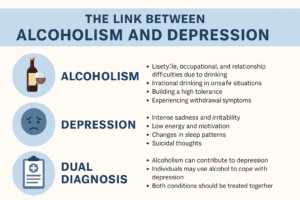
The link between alcoholism and depression is clearly defined. The only question remaining is the individual factor of what illness came first. Did depression present such severe symptoms that the individual used alcohol as a coping mechanism? On the other hand, was the individual with an alcohol use disorder engulfed in a depression disorder following physical and psychological from the addiction? Dual diagnosis is a common dilemma; both entities’ treatment must be addressed and implemented simultaneously.

Are you experiencing severe depression and feeling lost in sadness and hopelessness? Some people are overwhelmed with their life situations and feel unable to cope. Alcoholism and depression often go hand in hand, with symptoms escalating and no relief, affecting every aspect of a person’s life.

Alcoholism: What if it Comes First?

The relationship with alcohol can go from abuse to addiction quickly. Specific thinking patterns, behaviors, and psychological factors are involved with an alcohol use disorder. Those with a healthy relationship with alcohol do not experience any of these signs or symptoms. Therefore, in understanding the connection between alcoholism and depression, it’s essential to understand alcoholism and alcohol-specific treatment.

Severe alcohol use affects brain chemistry. For example, serotonin and dopamine neurotransmitters regulate mood, happiness, and well-being. Those using excessive amounts of alcohol cause the brain’s vital balance to fluctuate, triggering symptoms of depression and health issues. These kinds of effects on the brain can trigger mental illness, demonstrating the link between alcoholism and depression.

The following thinking patterns and behaviors are a direct indication of alcohol use disorder:

  • Lifestyle, occupational, and relationship difficulties because of drinking
  • Irrational thinking allows for consuming alcohol in unsafe situations
  • Building a high tolerance to alcohol
  • Experiencing withdrawal symptoms when drinking subsides or stops
  • An inability to go through the day without drinking

In the case of an individual with an alcohol abuse disorder, first, drinking can initiate changes in the brain to cause depression, anxiety, and other mental illnesses. Dual diagnosis or a co-occuring disorder is more complex to treat than addiction alone or depression alone. Alcoholism and depression can escalate to dangerous levels that are physically disabling and lead to suicidal thoughts and self-harm behaviors.  Finding a treatment center that can treat both illnesses with rehabilitation is crucial for success in recovery.

Depression: What if Mental Illness Occurs before Alcoholism?

Depression comes in different forms. Unfortunately, each type of depression is equally disabling. In addition, an inability to incorporate healthy and positive coping mechanisms often results in drinking alcohol or drug use to relieve symptoms. Therefore, understanding the types of depression and the symptoms and causes is an essential educational journey. In grasping the connection between alcoholism and depression, education creates a foundation for possible treatment.

Seasonal Affective Disorder (SAD)

Changes in light or daytime hours are the initial cause of this type of depression. However, Seasonal Affective Disorder, or SAD for short, is so much more than the winter blues; it is often referred to. Throughout the winter months, individuals with SAD experience debilitating depression. This depression must be experienced for at least two consecutive years for a diagnosis to be determined. Typical symptoms of Seasonal Affective Disorder can include:

  • Overwhelming feelings of sadness
  • Irritability
  • Long hours of oversleeping
  • Gaining weight from changes in appetite

The link between alcoholism and depression with SAD occurs when the user drinks alcohol to relieve sadness and instill happiness. Catch twenty-two occurs when the individual with SAD craves alcohol to be satisfied. The body becomes dependent, and the brain chemistry is once again affected. Stopping the cycle becomes impossible to achieve alone.

Major Depression

Of all the types of depression, major depression is the most severe. Researchers have proven that twenty to twenty-five percent of adults living in the United States experience at least one major depressive episode. Intense sadness and worthlessness overwhelm individuals and interfere with every aspect of their lives. When alcoholism and depression connect, it’s catastrophic. It is essential to evaluate the following symptoms to conclude you may be experiencing major depression and need to move towards sobriety.

  • Irritability and moodiness
  • Excessive crying
  • No or little energy and no motivation for anything
  • Insomnia or hypersomnia
  • Recurring thoughts of how to commit suicide

Other Types of Depression

There are many types of depression not mentioned here. Individuals experiencing any form of depression can seldom recover without professional help. In each case, the link between alcoholism and depression is clear. Alcoholism aggravates depression, and the symptoms of depression are aggravated by alcohol use. The problem is more prevalent than most realize especially in long term alcohol addiction. Other forms of depression can include:

  • Psychotic Depression includes symptoms of hallucinations, paranoia, and delusions
  • Persistent Depressive Disorder or dysthymia has symptoms for at least two years
  • Bipolar Depression includes complex and challenging management of severe highs and lows


How Are Alcoholism and Depression Diagnosed?

There is no diagnosis until the individual feels compelled to get help. Both mental illness and substance use disorders are crippling and damage the ability to think clearly. Alcoholism and depression are treated by many treatment centers and can be determined through a free alcohol abuse assessment, medical examination, and lab testing. Medical and mental health professionals have protocols to make a precise diagnosis before treatment can begin.

The medical professional will eliminate all possible health issues that could be causing the depression from a physical standpoint. Both professions use the Diagnostic and Statistical Manual of Mental Disorders to reach a diagnosis for depression. Substance abuse disorders have their criteria to be determined in assessments. Alcoholism and depression present at the same time are described as dual diagnoses.

Find Help in Treating Alcoholism and Depression in Tennessee

If you are searching for a qualified treatment center for alcohol use disorder and depression, Freeman Recovery Center in Tennessee has programs to assist you. Dual diagnosis treatment is available, and we can begin an assessment to determine the facts of what you are facing to bring you closer to sobriety.

We specialize in treating alcohol use disorder with a comprehensive and compassionate approach. Our alcohol rehab program is designed to address the complexities of alcoholism through a combination of evidence-based therapies and personalized care plans. By integrating expert testimonials, we showcase our proven track record in helping individuals achieve lasting sobriety. Our dedicated team of professionals employs a variety of treatment modalities, including individual therapy, group therapy, and medical alcohol detoxification, to ensure each patient receives holistic care tailored to their unique needs. At Freeman Recovery Center, we’re committed to guiding you on your journey to recovery, restoring hope, and empowering you to reclaim your life.

Our staff is encouraging and compassionate, understanding the power of mental illness and addiction. We welcome any type of inquiry for more information. Contact us today.

Related Addiction Treatment Resources

Understanding the Cycle of Addiction

Understanding the cycle of addiction is crucial when substance use, be it drugs, alcohol, or other intoxicants, starts to get out of hand. Addiction seldom begins with intention; no one sets out to become reliant. The initial encounter is often for leisure, enjoyment, social interaction, or relaxation, and appears harmless. Yet over time, even occasional use can transform into a pattern of cravings and compulsive actions that endanger physical, mental, and emotional health.

Initially, a user might appreciate the euphoria or soothing effects of the substance. However, the body and mind quickly adapt, and tolerance builds, necessitating larger quantities to achieve the same effect. This escalation is a defining feature of the addiction cycle.

Addiction manifests as the brain’s chemistry alters due to repeated substance use, leading to physical and psychological reliance. These changes occur gradually, often without the user noticing they have crossed into addiction. By the time warning signs emerge, cravings and compulsions have already taken root, making it increasingly challenging to regain control without help.

Grasping this cycle is vital, not just for those battling addiction but also for families and friends. Awareness enables early detection of warning signs, the establishment of healthy boundaries, and timely access to treatment, all of which can prevent the deepening spiral of substance dependence.

What is Addiction?

Addiction is a long-term disorder marked by compulsive actions and obsessive thoughts about a substance or activity, whether it’s drugs, alcohol, food, sex, or other behaviors, despite the adverse outcomes that follow. It often starts innocently, with experimentation or casual use, but over time, repeated use results in tolerance, dependency, and an irresistible urge to persist.

Addiction includes both physical urges and mental fixation. It can begin with something seemingly benign, like a prescribed medication, a few social drinks, or infrequent recreational drug use. However, when use becomes habitual, patterns of overuse develop, followed by tolerance, where more of the substance is needed to achieve the same effect. Ultimately, dependency perpetuates the addictive cycle.

The development of addiction can be seen as a sequence of phases:

  1. Overuse – Consuming a substance in ways other than intended or beyond safe boundaries.

  2. Misuse – Frequent use that starts to disrupt daily life, health, or obligations.

  3. Addiction – Compulsive use despite harm, characterized by cravings, loss of control, and continued use even when confronted with negative outcomes.

How Addiction Affects the Brain

Substances like alcohol, drugs, and other addictive behaviors significantly modify the brain’s chemistry. Neurotransmitters, chemical messengers such as dopamine and serotonin, control mood, reward, motivation, and bodily functions. Early in the addiction cycle, repeated substance use starts to reconfigure these pathways, leading to changes that drive cravings, tolerance, and dependence.

As addiction advances, the brain adjusts to the constant presence of the substance, and this modified chemistry becomes the “new normal.” Over time, these changes can impact thought processes, decision-making, and impulse control, leaving lasting effects that may persist even after the substance is no longer present.

Denial and justification often emerge in this cycle. Even when an individual acknowledges their addiction, the brain’s altered reward system overrides rational thinking, compelling continued use. Cravings and compulsions can feel more powerful than willpower, as the brain seeks the pleasure, euphoria, or relief offered by the substance.

Essentially, addiction is not a lack of willpower—it’s a biological and neurological condition. Recognizing how the brain is affected emphasizes why solutions, therapy, and recovery strategies must tackle both the physical and psychological transformations caused by substance use to break the cycle.

Comprehending the Process of Dependency

The loop of addiction starts with a single use but swiftly develops into a recurring pattern that alters the brain’s chemistry. Frequently, the initial use serves to manage physical or emotional discomfort, offering short-term relief. Gradually, the brain adjusts to the substance, and logical thinking battles to take back control, perpetuating the cycle of cravings, urges, and reliance.

Common indications and actions that reflect this cycle include:

  • Experiencing irritation, pressure, or emotional and physical unease that triggers a desire for relief.

  • Imagining that alcohol, drugs, or compulsive behaviors will provide comfort or escape.

  • Preoccupied thoughts about using the substance to manage discomfort or enhance life momentarily.

  • Participating in addictive actions to achieve relief.

  • Losing control over consumption, impulses, or habits.

  • Feeling guilt, shame, or remorse related to substance use.

  • Making promises to oneself to quit, only to find the cravings return.

The cycle continues as discomfort, tension, or adverse emotions reappear, sparking cravings and compulsive thoughts. Although instances of restraint or sobriety might happen, the dependent brain usually favors the substance over logical choices. Disrupting this pattern demands focused treatment, counseling, and encouragement, tackling both the brain-based and mental aspects that drive addiction.

Overcoming the Loop of Dependency

The cycle of addiction can be disrupted through a pivotal moment, whether it’s an intervention, an epiphany, or a personal choice to seek assistance. Once someone commits to change and shows a willingness to quit, prompt action is crucial because cravings and ingrained habits can quickly draw them back into the cycle. Support from family, friends, and treatment experts is vital for helping the person through detox and the transition to a clean, healthy lifestyle.

Detoxification is the first essential step in breaking the cycle. Medically supervised detox, and sometimes Medication-Assisted Treatment (MAT), helps manage withdrawal symptoms safely. Withdrawal can be severe, but completing this phase is key to restoring brain chemistry and preparing the person for recovery.

Disrupting the pattern also includes learning new coping mechanisms to handle physical discomfort, stress, and emotional pain without resorting to substances. By replacing old habits with healthy, lasting behaviors, the individual gains control over impulses that previously drove the addiction.

Finally, the cycle of addiction is broken when brain chemistry balances, urges are controlled, and sobriety becomes a deliberate focus. With expert support, community encouragement, and research-backed therapies, enduring recovery becomes attainable, enabling individuals to regain control of their lives and establish a foundation for sustained well-being.

Discovering Rehabilitation Options for Dependency

Escaping the grip of addiction and embracing sobriety is a transformative journey, and professional rehabilitation programs offer the guidance and framework necessary for success. Medically supervised detoxification is often the initial phase, assisting individuals in safely navigating withdrawal while stabilizing both physical and mental well-being. Treatment teams provide ongoing support, education, and monitoring to minimize the risk of relapse and establish a solid foundation for recovery.

Cognitive Behavioral Therapy (CBT) is a fundamental aspect of rehabilitation. This form of therapy provides personalized sessions that help individuals comprehend the thought processes and behaviors that fueled their addiction. CBT equips patients with strategies to replace harmful habits with positive, healthy coping techniques. This is accomplished through self-reflection, revisiting past trauma, and discovering the underlying causes of substance use.

Group therapy enhances individual counseling by fostering a supportive community of peers facing similar struggles. Sharing experiences, obstacles, and triumphs helps individuals feel understood, reduces feelings of isolation, and bolsters motivation to remain sober.

Together, medical detoxification, personal therapy, and group support form a comprehensive strategy for addiction treatment. One that addresses both the physical and emotional dimensions of recovery. By blending professional guidance with a structured, compassionate environment, rehabilitation empowers individuals to break the cycle of addiction. It also helps establish a sustainable, substance-free life.

Gain a Fresh Perspective on the Cycle of Dependency in Tennessee

Freeman Recovery Center, located near Nashville, Tennessee, provides tailored drug and alcohol rehabilitation services aimed at guiding both teens and their families through each phase of the recovery process. Our programs integrate scientifically-backed therapies with holistic care.  They address not only addiction but also any co-occurring mental health disorders. Every treatment plan is customized to ensure compassionate, comprehensive care that caters to each person’s unique needs.

At Freeman Recovery Center, we understand the difficulties families encounter when a loved one is dealing with substance use. Our team is committed to fostering an environment of compassion, support, and professionalism, empowering clients to achieve enduring sobriety while enhancing overall mental and emotional health.

Our facility provides a peaceful, supportive environment where individuals can focus on their recovery. This atmosphere will help you understand the addiction cycle and acquire the skills necessary to overcome harmful patterns. Through our diverse programs, patients are equipped with the tools to substitute unhealthy habits with constructive, lasting behaviors.

If you or someone you care about is seeking treatment, please contact Freeman Recovery Center. We’re here to address your questions, guide you through the process, and assist you in embarking on the rewarding path toward a healthier, substance-free life. Your path to understanding, recovery, and enduring wellness starts here.

How Will I Know When I Hit Rock Bottom?

When most individuals hear “rock bottom,” they imagine severe adversity or hopelessness. In the realm of addiction, however, rock bottom signifies a moment of insight—the instance when a person understands that the repercussions of substance use greatly surpass any imagined advantages. It’s during this crucial moment that denial diminishes, personal accountability is recognized, and the individual seeks assistance.

The expression “rock bottom” was made well-known by Alcoholics Anonymous as a means to encourage individuals to pursue treatment. In the past, addiction was misunderstood; society—and even numerous medical experts—once perceived it as a moral weakness rather than a chronic condition.

Today, research and contemporary treatment strategies acknowledge that reaching rock bottom is not necessary for recovery. People can seek support at any phase of their addiction, and early intervention frequently results in better outcomes. Recovery begins not with a severe crisis but with the choice to reach for assistance and transformation, demonstrating that you don’t have to fall completely to begin climbing toward a healthier, substance-free existence.

What is Rock Bottom?

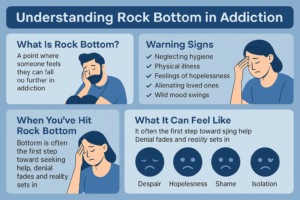
Hitting rock bottom is frequently described as a state of intense distress, hopelessness, and emotional overload; the instance when an individual with a substance use disorder feels they cannot fall any further. For many, it follows a major life event, like a DUI, job loss, or the loss of key relationships or belongings. Such events can act as a wake-up call, encouraging the person to seek detoxification and expert help.

For those battling addiction, there are often indicators that rock bottom might be near. Experienced treatment professionals can assess these indicators to determine the addiction’s severity and intervene before the consequences worsen.

It’s crucial to understand that not everyone with a substance use disorder hits rock bottom. Recovery doesn’t necessitate reaching the lowest point—early intervention and support can avert the worst outcomes and pave a healthier path toward lasting sobriety. Viewing rock bottom as a potential turning point, rather than a necessity, shifts the emphasis to proactive treatment and sustained recovery.

Indicators Before Hitting Rock Bottom

Identifying the early indicators of a substance use disorder can empower you to assist a loved one before they reach a critical stage. Although these signals don’t necessarily mean someone will hit their lowest point, grasping the thought and behavior patterns linked to addiction is crucial for timely intervention.

Disregarded personal care and cleanliness: A decline in personal hygiene is one of the initial signs of worsening addiction. Depression or emotional fatigue can make simple tasks, like taking a shower, brushing teeth, or getting out of bed, seem insurmountable. As someone nears their lowest point, this neglect often mirrors the depth of their internal battles.

Deteriorating physical health: Substance misuse takes a severe toll on the body. Poor diet, persistent tiredness, and untreated medical conditions become more evident as addiction worsens. At their lowest, both mind and body may feel shattered, leaving the person physically exposed and in dire need.

Crushing hopelessness and powerlessness: Those nearing their lowest point often feel stuck and incapable. Suicidal thoughts can surface, making urgent professional assistance essential. Suicide is a leading cause of death in the United States, and addiction greatly heightens this risk.

Withdrawal from friends and family: As addiction deepens, individuals might distance themselves from loved ones, losing connection with their support system. Emotional stability decreases, anxiety spikes, and profound isolation can occur. In extreme situations, panic attacks or agoraphobia might arise.

Severe mood fluctuations: Emotional stability often breaks down before hitting rock bottom. Irritability, anger, restlessness, and increased sensitivity become common. Loved ones may observe sudden outbursts or a tendency to lash out, even at those offering help. Identifying these signs early can lead to intervention before the situation worsens.

What does hitting rock bottom feel like?

Indicators You’ve Reached the Lowest Point

Realizing that you’ve reached the lowest point can be distressing, yet it might also serve as the catalyst for genuine transformation. For many individuals grappling with addiction, this phase marks the end of denial and the undeniable acknowledgment of the consequences. Life often seems unmanageable, relationships unravel, responsibilities are neglected, and both physical and mental health start to deteriorate, creating a profound sense of loss and hopelessness.

Reaching rock bottom is frequently characterized by emotional depletion, hopelessness, and profound despair. You might feel ensnared in a cycle of substance use for coping, only to experience intensified pain afterward. Overwhelming shame, guilt, and isolation can make even the simplest daily tasks seem insurmountable. Physically, this might manifest as persistent fatigue, changes in appetite, neglected personal care, or frequent illness.

Mentally, you might observe a loss of control over your thoughts and actions, difficulty focusing, and a sensation that life is spiraling out of control. Relationships may suffer as you distance yourself from others, and social isolation can exacerbate feelings of despair.

While hitting rock bottom can seem bleak, it can also offer clarity and a drive for change. It’s often the moment when people fully understand the impact of addiction and realize that seeking help is no longer optional; it’s crucial.

Recognizing these signs is the initial step toward breaking free from the cycle of addiction. Seeking professional support, entering treatment, and establishing a strong support network can help transform rock bottom from a moment of despair into a springboard for recovery and enduring stability.

What Occurs When You Reach Rock Bottom?

Not everyone grappling with addiction will reach their lowest point, and achieving lasting sobriety doesn’t depend on it. However, for many, this low point can become a crucial turning point when clarity arises, and they accept help, beginning their recovery. Tennessee treatment facilities can often engage with individuals at this stage, offering guidance and support to take that first essential step.

Reaching rock bottom often comes with overwhelming feelings of failure, shame, and self-doubt. Nevertheless, it also provides a unique chance to see the full impact of addiction, not only on oneself but also on family, friends, and the community. Understanding these effects can inspire significant change.

This lowest point represents the most daunting moments of addiction, yet it can also signal the beginning of transformation. For many who seek treatment at this stage, reflecting on this period eventually brings a sense of achievement and resilience. Through evidence-based therapies, individuals learn that addiction is a disease, not a personal failure, and that recovery is achievable with the right support and tools.

By embracing treatment and guidance, the experience of hitting rock bottom can transform from a moment of despair to a pivotal starting point for lasting sobriety, self-awareness, and personal growth.

What Is the Experience of Reaching Rock Bottom Like?

Reaching the lowest point can be intense, overwhelming, and emotionally draining. It’s often accompanied by physical, mental, and emotional discomfort, making the initial steps toward recovery feel like scaling a steep mountain. Dealing with the aftermath of addiction, mending relationships, recognizing the hurt caused to loved ones, and confronting personal decisions seems intimidating. However, it’s also the moment when change becomes possible.

The recovery process often begins with medically supervised detox, which safely manages withdrawal symptoms and stabilizes the body. From there, a mix of individual therapy, group sessions, and family counseling helps create a comprehensive recovery plan. These therapies provide guidance, accountability, and the skills necessary to maintain sobriety.

Though recalling being at rock bottom can be challenging, it’s essential to understanding the path forward. The focus moves from past errors to building a healthy, balanced, and fulfilling life.

With the support of a professional treatment team and a caring support network, recovery becomes attainable, transforming the lowest point into a foundation for long-term growth and wellness.

Seek Support in Tennessee When a Loved One Has Reached Their Lowest Point

When someone close to you is confronting addiction, identifying the signs of hitting rock bottom can serve as a crucial turning point, potentially leading to genuine change. Many people wonder, “What does rock bottom truly feel like?”

For some individuals, it manifests as intense despair and loneliness. For others, it’s the realization that things can’t persist as they are. Although painful, this phase often paves the way for hope, because it’s when someone might finally be open to seeking help.

At Freeman Recovery Center in Nashville, Tennessee, we focus on assisting individuals and families during this pivotal moment. Our all-encompassing treatment programs address not only substance use disorders but also co-occurring mental health issues such as depression, anxiety, PTSD, and other dual diagnosis challenges. By employing evidence-based therapies, compassionate clinical care, and personalized treatment plans, we help clients regain stability, confidence, and purpose.

If you or someone you care about has reached a breaking point, don’t delay. Rock bottom isn’t the conclusion of the story; in fact, it can be the start of recovery. Freeman Recovery Center provides complimentary substance use assessments and quick access to professional care. Contact us today to connect with an admissions specialist and begin creating a path toward healing, resilience, and enduring sobriety.

What are the Stages of Addiction Recovery?

Addiction can impact every facet of a person’s life, but recovery begins with understanding the stages of healing and how each phase builds toward lasting transformation. The recovery process isn’t instantaneous; it unfolds gradually. From early stabilization to long-term maintenance, each stage of sobriety aids individuals in restoring balance, identifying triggers, and enhancing healthy coping skills that support a life free from substances.

At Freeman Recovery Center in Nashville, Tennessee, we accompany individuals through every phase of recovery with professional expertise and sincere compassion. Our programs integrate evidence-based therapies with holistic approaches to address both the root causes of addiction and the real-world challenges encountered during treatment. By focusing on emotional healing, resilience, and sustainable growth, we empower clients to achieve enduring sobriety and rediscover a strong sense of purpose and direction.

 The stages of addiction recovery.

What Are the Phases of Overcoming Addiction?

Five stages of addiction recovery can lead people with a substance abuse disorder to a sober and healthy life. Individual treatment plans can combine evidence-based therapies with new holistic therapies that are successfully integrated. Substance Use Disorder (SUD) recovery demands the decision to get treatment, strong willpower, and support from family, friends, and group therapy. The five stages of addiction recovery are:

Addiction recovery is a carefully organized, step-by-step process that steers individuals towards a healthier, substance-free existence. Although each person’s path is distinct, most recovery progressions follow a series of established stages. Treatment plans often combine evidence-based therapies with holistic approaches to support both physical and emotional recovery. Achieving sustainable recovery requires a personal commitment to transformation, along with support from experts, family, peers, and recovery networks.

The five fundamental stages of addiction recovery include:

1. Recognition and Commitment to Change
This stage starts when an individual acknowledges their substance use is problematic and becomes willing to seek assistance. Some frameworks label this as the precontemplation or contemplation stage, depending on the individual’s readiness to change.

2. Initiating Treatment
The person takes action by enrolling in a professional treatment program. Clinical support, evaluation, and organized care commence during this phase.

3. Initial Recovery and Detoxification
In the early abstinence phase, the emphasis is on safely managing withdrawal—often through medically supervised detox—and preparing for ongoing therapeutic efforts. This stage establishes the foundation for stability.

4. Intensive Treatment and Skill Development
During this phase, individuals engage in therapy and recovery programs to cultivate coping skills, address underlying addiction causes, and fortify relapse prevention strategies.

5. Sustained Recovery and Maintenance
Long-term recovery focuses on maintaining sobriety, handling triggers, and constructing a fulfilling lifestyle that encourages ongoing growth and relapse prevention.

The Initial Stage: Contemplating Transformation

The initial phase of overcoming addiction starts when an individual begins to envision life without substances. At this juncture, many people still feel defensive about their drug or alcohol use. They might downplay the effects, rationalize their actions, or compare themselves to others to persuade themselves that the issue isn’t severe.

This phase is often marked by conflicting feelings and inner turmoil. One part of them may acknowledge the damage addiction is causing, while another part resists change. They might have tried to quit before and relapsed, leading to frustration or self-doubt. The struggle between seeking relief from addiction and fearing life without substances can be overwhelming.

Imagining a future that feels stable or fulfilling without drugs or alcohol can be challenging. Yet even amid this uncertainty, something crucial is happening: awareness is increasing. The desire for a healthier, more stable life is emerging.

The key takeaway in this stage is that hope has begun to grow. A seed of change has been planted. With appropriate support, education, and guidance, that seed can develop into action and long-lasting recovery.

The Second Stage: Opting for Transformation and Starting Therapy

The second phase of addiction recovery starts with a distinct and powerful transformation: the choice to change. This instant is pivotal. Once someone decides to pursue help, treatment specialists act swiftly to sustain momentum and establish a framework, ensuring that motivation translates into action.

Assistance from family, friends, and seasoned counselors is crucial during this stage. With support and encouragement, individuals start to let go of blame, defensiveness, and self-criticism. For the first time, they might feel open to candid discussions about their substance use and envision what recovery might entail.

Even after deciding to seek assistance, uncertainty and denial can still emerge.

It’s normal to feel a mix of emotions in the initial days of treatment. Skilled therapists guide individuals through confusion, manage fears, and keep them focused on achieving sobriety. The main focus during this phase is engagement, showing up, participating, and dedicating oneself to the recovery process one step at a time.

The process usually begins with a free, thorough assessment, where clinicians collect an addiction history and create a tailored treatment plan. This involves identifying the effects of substance use, examining denial patterns, and reinforcing the choice to change. With a solid plan in place, the individual is ready to proceed to the next stage of recovery, supported by structure and renewed optimism.

The Third Stage: Cleansing and Initial Recuperation

The third stage of addiction recovery is frequently the most physically and emotionally challenging. This phase usually includes detoxification and initial abstinence, during which the body eliminates the substance and starts to stabilize. Withdrawal symptoms can be uncomfortable and sometimes hazardous, making professional supervision crucial. Medically assisted detox ensures safety, manages symptoms, and offers clinical monitoring during this vital transition.

In addition to the physical hurdles, this stage requires significant psychological effort. Individuals must start:

Developing effective coping mechanisms at this stage is crucial. The techniques established here lay the groundwork for enduring recovery. With support from the treatment team, individuals begin replacing old habits with healthier responses to stress, unease, and emotional distress.

Key methods introduced in early recovery frequently include:

  • Engaging in organized, wholesome activities

  • Joining peer support or self-improvement groups

  • Identifying triggers promptly

  • Implementing positive behavioral modifications and emotional management skills

The third phase represents a genuine turning point. Although it might feel overwhelming, it also signifies the onset of clarity, stability, and progress. The skills developed here are particularly vital during the first 90 days of recovery, helping individuals build confidence and resilience as they continue their path toward lasting sobriety.

The Fourth Stage: Taking Action and Sustaining Sobriety

The fourth phase of addiction recovery emphasizes sustaining sobriety following the completion of the initial treatment period, typically the first 90 days. Some people start their recovery with medical detox and residential care, while others engage in outpatient therapy programs. Regardless of the environment, this phase involves using the skills acquired during treatment in real-life scenarios.

With a solid groundwork established, individuals start to depend on their new coping mechanisms to handle everyday obstacles without reverting to substance use. This is often referred to as the action phase, where recovery progresses beyond stabilization into a long-term way of life.

The primary focus areas during this stage include:

  • Steering clear of substitute or cross-addictions

  • Cultivating positive, supportive relationships

  • Sustaining a substance-free lifestyle

  • Enhancing workplace abilities and boosting financial responsibility

  • Managing emotions in healthy, constructive ways

  • Emphasizing physical health through proper nutrition, sleep, and exercise

This phase highlights steadiness and responsibility. By incorporating these routines into their daily lives, people enhance their resilience and lower the possibility of setbacks. Recovery shifts focus from merely avoiding substances to building a harmonious, purposeful, and autonomous life.

The Final Stage: Extended Recovery and Growth

The final phase of overcoming addiction signifies lasting stability and personal advancement. After maintaining sobriety for several years, many people progress from merely staying substance-free to crafting a deeply rewarding, purpose-filled life. Recovery evolves from being solely about avoiding substances to becoming part of a larger commitment to overall wellness and personal growth.

At this point, individuals often establish and strive for long-term personal, career, and relationship goals. Assurance grows, emotional regulation enhances, and healthy habits become instinctive rather than compelled. Although intensive therapy might decrease, ongoing participation in support groups or occasional counseling can still offer accountability and connection.

Sustained recovery involves incorporation, completely adopting a way of life that mirrors the abilities, resilience, and understanding acquired in the previous phases. By consistently focusing on mental, emotional, and physical health, people can uphold sobriety while leading a well-rounded, purposeful, and empowered life.

Start Your Healing Path in Tennessee

Grasping the phases of addiction recovery lays a solid groundwork for enduring sobriety. At Freeman Recovery Center in Nashville, Tennessee, we assist individuals at every stage of the recovery, from medical detoxification and initial emotional healing to relapse prevention and long-term stability. Our programs integrate evidence-based therapies with holistic methods to address both the physical and mental dimensions of addiction, empowering each client to develop the skills and confidence necessary for a healthy, substance-free life.

Whether you’re starting treatment or fortifying an existing recovery strategy, our skilled clinical team is here to support you at every stage. We offer compassionate, personalized care for individuals dealing with substance use disorders involving alcohol, cocaine, heroin, methamphetamine, benzodiazepines, and prescription medications. Through structured programming, accountability, and continual encouragement, we help clients advance with clarity and purpose.

Recovery goes beyond ceasing substance use; it’s about reconstructing your life with meaning, stability, and resilience. If you or someone you care about is prepared to take the next step, contact Freeman Recovery Center today to discover more about our extensive treatment options in Tennessee and begin your path toward lifelong sobriety.

A Warm Welcome at Freeman Recovery Center
Comprehensive & Accredited Rehab

We provide compassionate, credentialed rehab services across Nashville, Dickson, and nearby communities.

Tailored Levels of Care

Our Tennessee facilities offer medical detox, residential care, and flexible outpatient programs tailored to each person’s needs.

Personalized, Supportive Treatment

Every treatment plan integrates evidence-based therapy, holistic support, and family involvement. We verify insurance and streamline admissions to help clients begin recovery quickly and confidently.

Real Patient Reviews

Read stories from real people who found hope and healing at Freeman Recovery Center.